
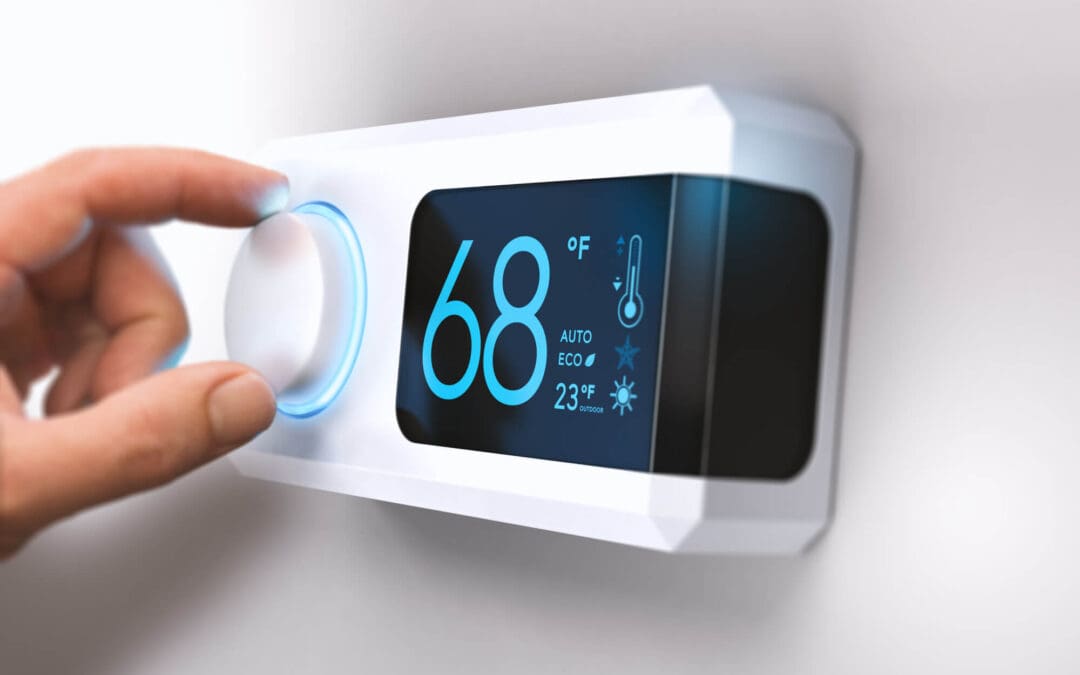
Winter often brings higher utility bills, drafty rooms, and the temptation to crank up the thermostat. The good news is that it is entirely possible to save energy during the colder months without turning your home into an icebox. With a few strategic adjustments and a better understanding of how heat moves through a house, homeowners can stay warm, comfortable, and in control of energy costs all season long.
Save Energy by Understanding Where Heat Is Lost
One of the biggest obstacles to saving energy in winter is uncontrolled heat loss. Warm air naturally wants to escape, and it often does so through attics, windows, doors, and poorly insulated walls. Even small gaps could add up to significant energy waste over time. Understanding that heat loss is not always obvious helps explain why some homes feel cold despite high heating bills. Addressing these hidden escape routes is one of the most effective ways to save energy without changing daily habits.
Save Energy at the Source
Air leaks are a silent energy drain. Cold air seeps in while warm air escapes, forcing heating systems to work overtime. Weatherstripping around doors and windows, sealing gaps around plumbing penetrations, and caulking visible cracks will make a noticeable difference. These fixes are relatively low-cost and can often be completed in an afternoon. Once sealed, homes tend to feel less drafty and maintain a more consistent temperature, making it easier to save energy throughout the winter.
Insulation Plays a Bigger Role Than Many Realize
Insulation is essential for maintaining indoor comfort everywhere. Attics are particularly important because heat rises and will escape quickly if the insulation is inadequate. Walls, crawl spaces, and basements also contribute to overall heat retention. Proper insulation slows heat transfer, allowing the home to stay warmer longer after the heating system cycles off. Improving insulation is a long-term investment that consistently helps homeowners save energy year after year.
Thermostat Settings That Balance Comfort and Savings
Lowering the thermostat by just a few degrees could significantly reduce energy consumption. The difference is often barely noticeable when wearing seasonal clothing, yet the savings add up quickly. Programmable or smart thermostats automatically adjust temperatures based on schedules, preventing wasted energy when no one is home or during sleeping hours. Thoughtful thermostat management is one of the simplest ways to save energy without ongoing effort.
Routine Maintenance Keeps Systems Efficient
A well-maintained heating system operates more efficiently and reliably. Dirty filters restrict airflow, forcing systems to run longer to maintain a comfortable home temperature. Annual servicing helps identify minor issues before they turn into expensive repairs and ensures the system is running as designed. When heating equipment operates efficiently, it consumes less energy, making it easier to conserve energy throughout the winter.
Using Sunlight to Your Advantage
On sunny winter days, opening curtains or blinds allows natural sunlight to warm interior spaces. This passive heat gain will reduce the need for active heating during daylight hours. Once the sun sets, closing window coverings helps trap warmth inside. This simple habit uses nature to help save energy without any added cost.
Window Efficiency Matters More Than Appearance
Older, single-pane windows lose heat quickly, while newer, energy-efficient windows reduce heat transfer. Even without replacing windows, improvements like thermal curtains or window film can enhance performance. These solutions reduce drafts and heat loss, making rooms feel more comfortable and helping homeowners save energy during the coldest months.
Everyday Habits That Quietly Save Energy
Daily routines influence winter energy use more than many people realize. Small changes, practiced consistently, will lead to meaningful savings. Water heating is another significant energy expense. Shorter showers, washing clothes in cold water when possible, and fixing leaks all reduce energy demand. Lowering the water heater temperature slightly could also produce noticeable savings without affecting comfort. These minor adjustments support broader efforts to save energy throughout the home. Running ceiling fans clockwise at a low speed helps push warm air down from the ceiling. This improves heat distribution and reduces the need to raise thermostat settings. It is a simple adjustment that makes rooms feel warmer while using very little electricity.
With informed choices, routine maintenance, and mindful habits, homeowners will stay warm, comfortable, and confident that their energy use is working in their favor rather than against them.
Frequently Asked Questions (FAQs)
Does lowering the thermostat really make a difference?
Yes. Even a slight reduction will lower energy consumption because heating systems do not have to run as long or as often.
Is insulation worth upgrading in an older home?
Absolutely. Older homes often lack adequate insulation, and improvements significantly reduce heat loss and improve comfort.
Do smart thermostats help save energy?
When used correctly, they will reduce wasted heating by adjusting temperatures automatically based on occupancy and schedules.
Are space heaters a good way to save energy?
They can be helpful for short-term, targeted heating, but they often use a lot of electricity. Relying on them extensively may increase overall energy costs.
What is the fastest way to save energy right now?
Sealing drafts, changing furnace filters, and adjusting thermostat settings typically deliver immediate results.
Reveal360 provides inspections to homebuyers and sellers in Northern Colorado. Contact us to request our services.