
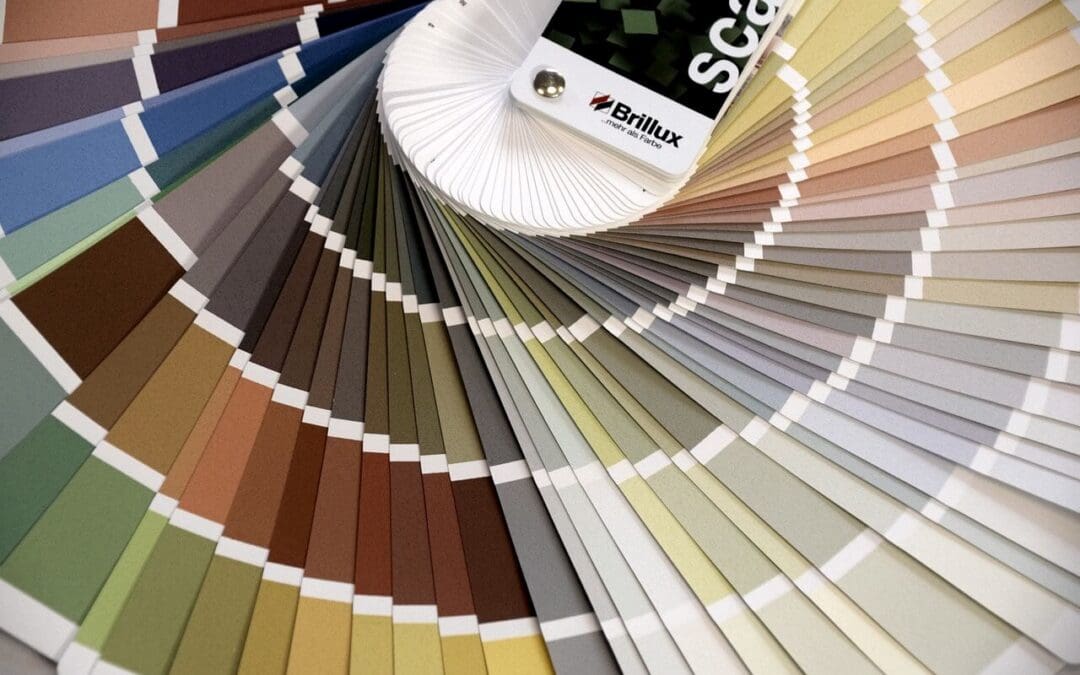
Choosing paint colors is one of the most exciting yet challenging parts of home design. The right shades can completely transform a space, making it feel larger, warmer, brighter, or more sophisticated. For homeowners, choosing paint colors is about creating an atmosphere that reflects personality while enhancing the function of each room. With a thoughtful approach, the process becomes far less overwhelming and far more rewarding.
Understanding the Basics of Choosing Paint Colors
Before diving into specific shades, it’s important to understand how color works within a space. Lighting plays a major role in how a color appears. Natural light brings out truer tones, while artificial lighting may add warmth or coolness depending on the bulb. A color that looks soft and neutral in the store may appear dramatically different once applied to your walls. Undertones also matter. Many neutral paints have subtle hints of pink, yellow, blue, or green. These undertones influence how the color interacts with furniture, flooring, and décor. Taking the time to test samples on your walls and observing them at different times of day could prevent costly mistakes.
Choosing Paint Colors for Different Rooms
Each room in a home serves a unique purpose, and the paint color should support that function. Living rooms often benefit from warm neutrals or soft earthy tones that create a welcoming environment. Bedrooms, on the other hand, are ideal for calming colors like muted blues, gentle greens, or cozy taupes that promote relaxation. Kitchens and dining areas can handle more energy. Subtle yellows, crisp whites, or even bold accent walls can add vibrancy without overwhelming the space. Bathrooms often look best with light, clean colors that enhance a sense of freshness and openness.
Choosing Paint Colors That Match Your Style
Personal style should guide every color decision. Whether the home leans modern, traditional, rustic, or eclectic, the paint palette should complement that aesthetic. A modern space might call for clean whites, grays, or high-contrast combinations, while a traditional home may benefit from richer, classic tones. Consistency throughout the home is also key. This doesn’t mean every room must be the same color, but there should be a sense of flow. Coordinating shades within a similar color family can help maintain harmony while still allowing each room to feel distinct.
The Role of Lighting in Choosing Paint Colors
Lighting can make or break your color choices. North-facing rooms tend to have cooler, softer light, which makes colors appear more subdued. South-facing rooms receive warmer, brighter light that can intensify colors. Artificial lighting adds another layer to consider. Warm bulbs enhance reds, yellows, and oranges, while cool bulbs emphasize blues and greens. Testing paint samples under the lighting conditions you use daily ensures the final result aligns with your expectations.
Choosing Colors with Confidence
Confidence in choosing paint colors comes from preparation and experimentation. Instead of relying solely on small paint chips, try larger sample swatches or peel-and-stick samples. Paint a section of your wall and observe it over several days. It’s also helpful to start with elements that won’t change, such as flooring, cabinetry, or large furniture pieces. Use those as a foundation for your color palette. This approach ensures your paint choices complement existing features rather than clash with them. Another helpful strategy is limiting your palette. Too many colors could make a home feel disjointed. Sticking to a cohesive selection of complementary shades creates a polished and intentional look.
Common Mistakes to Avoid
One of the most common mistakes homeowners make is rushing the decision. Choosing paint colors without testing them in your space may lead to disappointment. Colors almost always look different on a wall than they do in a store. Another mistake is ignoring the finish. Matte, eggshell, satin, and gloss finishes all affect how a color looks and performs. High-traffic areas benefit from more durable finishes, while ceilings and low-touch areas can use flatter paints. Lastly, avoid choosing colors in isolation. Always consider how a shade interacts with adjacent rooms, as well as your overall home design. A color that works beautifully in one room may feel out of place when viewed alongside others.
Frequently Asked Questions (FAQs)
How do I start choosing paint colors for my home?
Begin by identifying your style and the mood you want each room to create. Look at existing elements like furniture and flooring, and build your palette from there. Testing samples on your walls is essential.
How many colors should I use throughout my home?
A cohesive palette of three to five main colors is typically enough. This keeps the home feeling unified while still allowing for variety in different rooms.
Should I use different colors in every room?
Not necessarily. While variety may add interest, too many different colors can feel chaotic. Aim for a consistent flow, using variations of the same tones or complementary shades.
What is the best paint finish for walls?
Eggshell or satin finishes are popular for most walls because they balance durability and appearance. Kitchens and bathrooms may benefit from more moisture-resistant finishes.
How do I know if a color will look good in my space?
Testing is the best way to know. Apply samples to your walls and observe them in different lighting conditions throughout the day before making a final decision.
Reveal360 provides inspections to homebuyers and sellers in Northern Colorado. Contact us to request our services.