
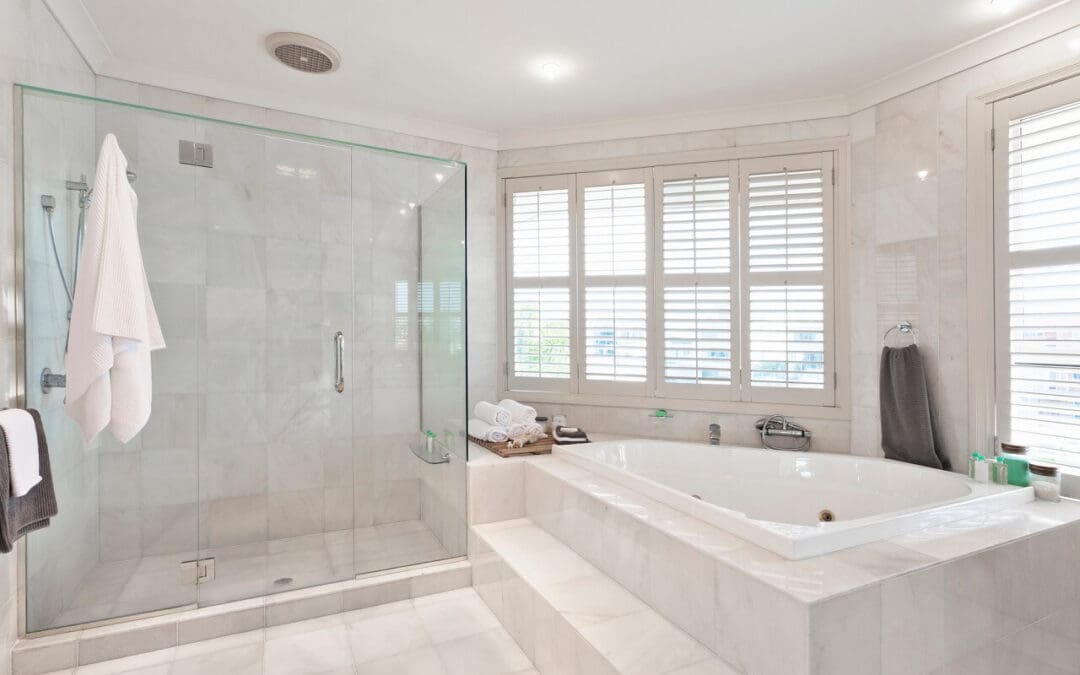
Bathroom flooring is one of the most consequential material decisions in any renovation or new construction project; it operates in the harshest conditions of any room in the home, endures constant moisture exposure, sees heavy daily traffic, and is expected to look good doing all of it for a decade or more. The wrong flooring choice could lead to water damage, mold, and premature replacement that far exceeds the cost of selecting the right material in the first place. Understanding the options, their actual performance characteristics, and the trade-offs between them makes a genuinely informed choice possible.
What Makes a Good Bathroom Flooring Material
Not every flooring material is appropriate for a bathroom. Moisture resistance is non-negotiable. Beyond moisture resistance, slip resistance when wet, durability, ease of cleaning, comfort, and cost all factor into the decision. The subfloor condition and installation difficulty also matter. Some bathroom flooring materials are within DIY capability; others require professional installation to perform as intended. Choosing a material that exceeds your installation capability produces a result that underperforms the material itself.
Tile: The Classic Bathroom Flooring Choice
Ceramic and porcelain tile are the most widely used bathroom flooring materials for reasons that hold up to scrutiny: genuinely waterproof, extremely durable, available in virtually unlimited aesthetics, and when properly installed, will last the life of the home. Porcelain is denser and more water-resistant than ceramic, making it the superior choice for shower floors and high-wet areas, while ceramic is appropriate for drier zones at a lower price point. The practical considerations for tile bathroom flooring center on grout. Tile itself doesn’t absorb water, but grout does, and deteriorated grout allows water to penetrate the subfloor. Using epoxy grout or sealing standard grout regularly significantly improves long-term performance. Tile is cold and hard underfoot, which is the primary complaint in climates where bathroom floors are cold in the morning. Radiant floor heating paired with tile transforms this liability into one of the most luxurious bathroom experiences available.
Waterproof and Budget-Friendly Options
Luxury vinyl plank (LVP) and luxury vinyl tile (LVT) have emerged as compelling flooring alternatives because they’re completely waterproof, comfortable underfoot, available in convincing wood and stone aesthetics, and significantly more affordable than tile. Quality LVP installs as a floating floor system that most motivated homeowners can complete without professional help. The critical distinction for bathroom applications is ensuring the product is rated as waterproof, not just water-resistant. In bathroom flooring, the difference matters: water-resistant products handle surface spills but aren’t designed for environments where water regularly reaches the seams. Fully waterproof core LVP products, which use a solid composite core rather than a wood-based one, are appropriate for full bathroom applications. Waterproof laminate has improved significantly in recent years and represents a mid-range option for powder rooms and lower-moisture bathrooms. For bathrooms with showers or tubs, fully waterproof LVP remains the safer long-term choice.
Natural Stone Bathroom Flooring for High-End Applications
Natural stone, marble, travertine, slate, and limestone, creates bathroom flooring with visual richness that no manufactured product fully replicates. It’s also among the most demanding choices in terms of installation expertise, maintenance requirements, and upfront cost. Stone is porous to varying degrees, and regular sealing is essential to prevent water absorption, staining, and deterioration in a wet environment. Marble is among the most popular and most maintenance-intensive stone bathroom flooring choices. It etches from acidic cleaners, scratches more easily than porcelain, and requires sealing every one to two years. For homeowners committed to the maintenance and budget for professional installation, marble delivers an irreplaceable aesthetic. For those who want the look without the upkeep, large-format porcelain that convincingly mimics marble has reached a quality level where the difference is difficult to detect in daily use.
Frequently Asked Questions (FAQs)
What is the most durable bathroom flooring material?
Porcelain tile is the most durable bathroom flooring material for residential applications, essentially impervious to water, highly scratch-resistant, and when properly installed, will outlast every other option by decades.
Can I install bathroom flooring myself?
It depends on the material. Luxury vinyl plank with a click-lock floating installation is the most DIY-accessible option. Tile requires thinset mortar, proper subfloor preparation, grouting, and sealing, achievable for a skilled DIYer but more demanding. Natural stone should not be attempted as a DIY project.
What bathroom flooring is best for small bathrooms?
Large-format tiles create a more expansive visual effect by reducing grout lines and allowing the eye to travel continuously across the floor. Light-colored bathroom flooring reflects more light and makes the space feel larger. Consistent flooring that runs from the bathroom into an adjacent hallway eliminates the visual boundary that makes small spaces feel segmented.
How do I choose between tile and luxury vinyl plank for my bathroom?
The decision comes down to budget, installation capability, and aesthetic preference. Tile delivers superior long-term durability and a higher-end aesthetic but costs more in materials and installation. LVP is fully waterproof, more comfortable underfoot, warmer to the touch, DIY-friendly, and significantly more affordable. If budget and professional installation are available, tile is the benchmark; if either is a constraint, quality LVP is an excellent alternative.
How often does bathroom flooring need to be replaced?
Tile bathroom flooring, properly installed and maintained, can last the life of the home, fifty years or more. Quality LVP typically lasts fifteen to twenty-five years. Natural stone has a similarly long lifespan when properly maintained. The most common reasons for earlier replacement are installation failure, inadequate moisture protection leading to subfloor damage, or aesthetic preference changes rather than material wear.
Reveal360 provides inspections to homebuyers and sellers in Northern Colorado. Contact us to request our services.