
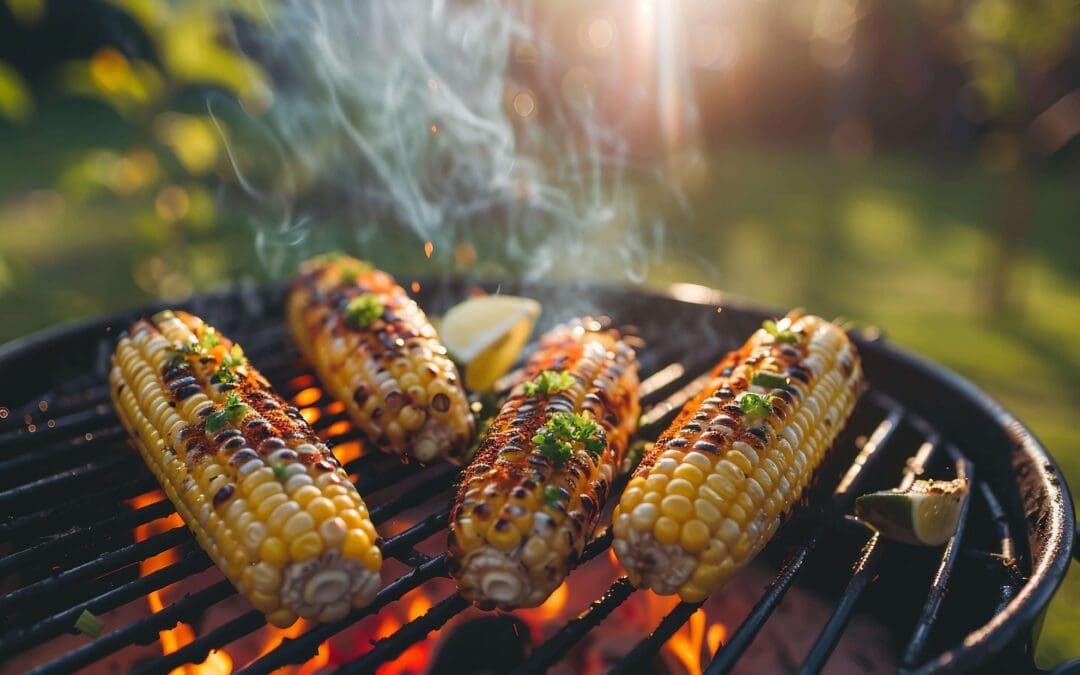
Grilling is one of the great pleasures of homeownership, but it’s also one of the most common sources of residential fires, burns, and preventable accidents. Grill safety is understanding the real risks that come with open flames and combustible gases, and building habits that protect your home, your guests, and yourself every time you fire up. The vast majority of grilling accidents are preventable, and most come down to the same handful of mistakes that informed homeowners can easily avoid.
Why Grill Safety Deserves More Attention Than It Gets
Grills are responsible for tens of thousands of residential fires every year, with the Fourth of July and Memorial Day weekend consistently ranking among the most dangerous days for grill-related incidents. The combination of distracted hosts, large gatherings, and less-than-perfect equipment creates conditions where accidents happen. The most common grill fires fall into two categories: those caused by inadequate positioning and those caused by poorly maintained equipment. Both are entirely within a homeowner’s control. Taking grill safety seriously means addressing both before the first flame of the season.
Set Up Your Grill the Right Way
Where and how you position your grill is the foundation of grill safety. Grills should be at least ten feet from the house, outbuildings, fencing, overhead structures, and anything flammable. This includes patio furniture, decorations, and overhanging branches. Never grill inside, not in a garage, screened porch, or any enclosed space. Carbon monoxide accumulation in enclosed spaces is a silent and serious danger that grill safety guidelines consistently emphasize. On wooden decks, use a grill mat under charcoal units and be attentive to grease drips that can ignite deck surfaces. Keep children and pets at least three feet away at all times, not just when flames are high, but throughout cooking and well afterward when surfaces remain dangerously hot.
Maintaining Your Grill for Safe Operation
A well-maintained grill is a safer grill, and regular maintenance is one of the most overlooked aspects of grill safety. At the start of each season, and periodically throughout, inspect and clean your grill before firing it up. For gas grills, check the fuel hose and connections for cracks or loose fittings. A leak test using soapy water applied to connections reveals leaks through bubbling, if you see bubbles, there’s a leak that needs repair before use. Check burner tubes for spider nests, which commonly form during off-season storage and can cause irregular flames and flashback. Clean the grease management system before each use during peak season. Accumulated grease is the leading cause of flare-ups that escalate into fires. For charcoal grills, remove ash buildup from previous cooks, which retains moisture and accelerates corrosion, and check vents for proper operation.
Grill Safety During Cooking and Shutdown
Active grill safety during cooking comes down to attention and preparation. Never leave a lit grill unattended; this is the single most common factor in grill fires that spread to structures. At gatherings, appoint one person to manage the grill rather than allowing a rotating cast of helpers who may not know the current state of the fire. Have a fire extinguisher rated for grease fires accessible near the grill before you begin. After cooking, follow a consistent shutdown procedure. Gas grills: turn off the burners, then close the tank valve, then allow complete cooling. Charcoal: close all vents to extinguish coals and allow complete cooling, minimum 48 hours, before disposing of ash in a metal container with a lid. Never place warm ash in a paper bag or plastic container.
Frequently Asked Questions (FAQs)
How far should a grill be from the house?
At least ten feet is the standard grill safety recommendation for both gas and charcoal grills. This clearance extends to all sides. If your space doesn’t allow ten feet, position the grill at the greatest possible distance from structures and flammable materials and stay especially attentive during use.
How do I check my gas grill for leaks?
Mix equal parts dish soap and water and apply it to all gas connections, hose fittings, and the regulator connection to the tank. Turn the gas on without igniting the grill. If bubbles form anywhere, gas is escaping. Turn off the gas immediately and don’t use the grill until the faulty component is repaired or replaced.
Is it safe to grill on a wood deck?
It can be done with appropriate precautions, keep the grill as far from the house and railing as possible, use a grill mat under charcoal units, and keep the decking clean of grease drips. Composite decking is more heat-sensitive than wood and can be damaged by radiant heat from the grill base. The safest approach is grilling on concrete, stone, or a purpose-built grill pad.
What should I do if my grill catches fire?
For a flare-up inside the grill, close the lid to cut off oxygen and turn off the burners. Do not move a burning grill. If fire spreads beyond the grill, evacuate, keep others away, and call 911. Never use water on a grease fire. Use a Class B or ABC fire extinguisher if available, and you’re trained to use it.
How often should I clean my grill for safety?
Brush grates before and after each use. Check and empty the grease management system after every few uses during the season. Perform a full deep clean at the start and end of each grilling season. Households that grill frequently benefit from a mid-season deep clean as well.
Reveal360 provides inspections to homebuyers and sellers in Northern Colorado. Contact us to request our services.