
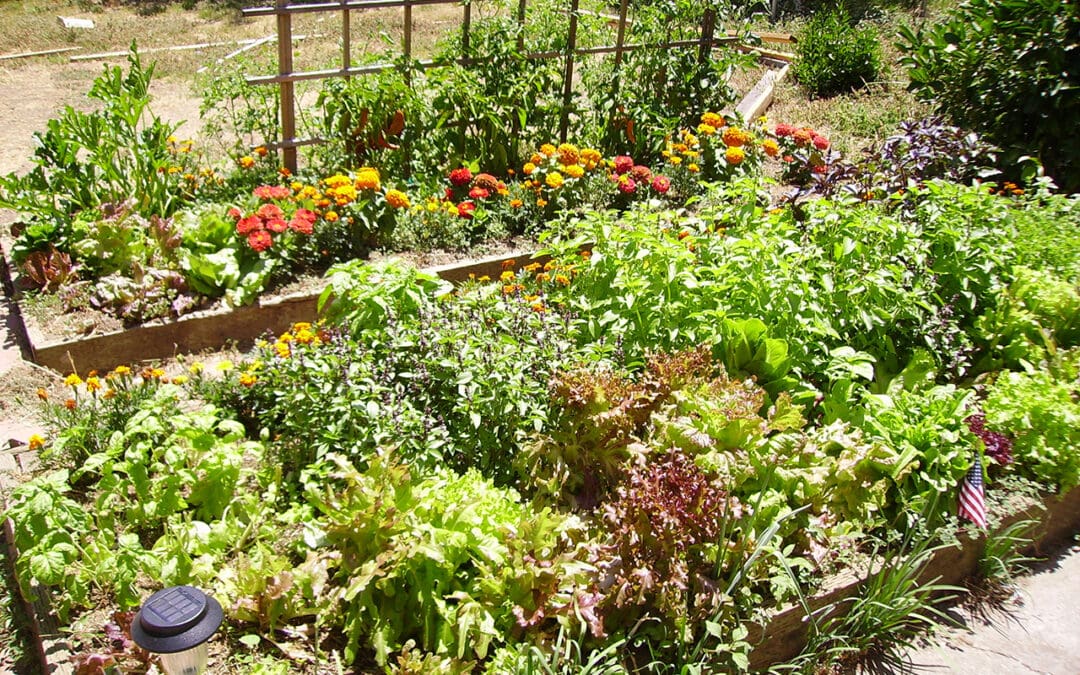
Summer brings long days and warm temperatures that many plants thrive in, but it also brings heat stress, drought pressure, and pest activity that could quickly undo months of careful gardening work. Knowing how to help your garden survive summer’s most challenging conditions is the difference between a yard that reaches its full potential and one that limps into fall looking exhausted and depleted. A few proactive strategies applied at the right time make an enormous difference in how your garden performs through the season’s toughest stretch.
Why Summer Requires Extra Effort
The fundamental challenge of summer gardening is that the conditions that stress plants most, intense heat, low humidity, irregular rainfall, and increased pest pressure, all peak simultaneously. Unlike spring and fall, when moderate temperatures give plants natural resilience, summer demands active intervention. Soil dries out faster, nutrients leach more quickly, and plants under heat stress have less capacity to recover from additional challenges like pest damage or disease. Getting ahead of summer’s challenges before they peak is far more effective than trying to rescue plants after heat stress, drought, or disease has already taken hold.
Soil Health Is the Foundation to Help Your Garden Survive
Healthy soil is the single most important factor in helping plants survive summer stress. Soil that is depleted, compacted, or poorly structured cannot retain adequate moisture or support the microbial activity that makes nutrients available to plants. Amending beds with compost at the start of the season improves water retention, enhances drainage, and feeds the soil biology that supports plant health all season long. Mulching delivers the broadest range of benefits for the least amount of effort. A two-to-four-inch layer of wood chips, straw, or shredded leaves insulates the soil against temperature extremes, slows moisture evaporation, suppresses weeds, and breaks down over time to further improve soil quality. Applied before peak summer heat arrives, mulch is the closest thing to a passive, maintenance-free survival system available to any gardener.
Watering Strategies That Help Your Garden Survive Drought
How you water during summer matters as much as how often you water. Frequent, shallow watering trains roots to stay near the soil surface where they’re most vulnerable to heat and drought. Deep, infrequent watering encourages roots to follow moisture into cooler soil layers, developing the kind of root system that can access water reserves during dry periods. Water in the early morning to minimize evaporation loss, reduce fungal disease risk, and deliver water when plants absorb it most efficiently. Soaker hoses and drip irrigation deliver water directly to the root zone, eliminating the waste and disease risk of overhead sprinklers. During genuine drought, prioritize recently planted specimens and vegetables over established perennials and shrubs, newer plants have shallower roots and less capacity to access deep soil moisture on their own.
Pest Management and Plant Care
Summer heat brings increased pest pressure, aphids, spider mites, and Japanese beetles, all of which peak during warm months and compound the stress that heat and drought are already placing on your plants. Inspect regularly, particularly the undersides of leaves where many pests establish first, and address infestations early. Hand removal, insecticidal soap, and neem oil are all effective options that keep harsh chemicals out of your garden. Deadheading spent blooms encourages continued flowering by directing the plant’s energy toward new flower production rather than seed development. Remove dead, diseased, or damaged foliage promptly to improve airflow and reduce disease pressure. Resist the urge to heavily fertilize plants showing heat stress. Pushing new growth in stressed plants creates soft, vulnerable tissue that’s more susceptible to further damage. A light application of balanced fertilizer or compost tea provides gentle support without overstimulating plants already working hard just to maintain themselves.
Frequently Asked Questions (FAQs)
What’s the most important thing to do to help your garden survive summer?
Building healthy soil with compost and applying a generous layer of mulch before peak heat arrives. Together, they address the two biggest summer stressors, moisture loss and soil temperature.
How do I know if my plants are heat-stressed?
Wilting that recovers by evening is normal. Wilting that doesn’t recover overnight, yellowing or browning leaf edges, premature leaf drop, and stunted growth are signs of more serious stress that warrant checking soil moisture and reviewing watering practices.
How can I help my garden survive extreme heat?
Provide temporary shade for heat-sensitive plants using shade cloth during the hottest part of the day. Water deeply the evening before an expected heat event. Avoid significant pruning or fertilizing until temperatures moderate.
Which plants struggle most in summer?
Cool-season vegetables like lettuce, spinach, cilantro, and peas tend to bolt when temperatures climb. Shade-loving perennials in too much sun and recently transplanted specimens are also particularly vulnerable; these benefit most from shade cloth, deep watering, and generous mulching.
Reveal360 provides inspections to homebuyers and sellers in Northern Colorado. Contact us to request our services.